Join more than 1,000 law enforcement professionals at the FBINAA Annual National Training Conference!
Are you prepared for the unexpected challenges of each day? Train with FBINAA.
The 2026 FBINAA National Annual Training Conference will feature over 50 hours of keynote sessions, breakout sessions and professional development seminars, and more than 150+ sponsors and exhibitors showcasing the latest in law enforcement, public safety solutions, and products.
This conference is designed around your professional development, educational and training needs brought to you by the FBINAA.
Why should you attend the FBINAA National Training Conference?
- Learn the latest on 21st century contemporary law enforcement trends and issues
- Phenomenal education and cutting-edge training
- Discover new products, solutions, and technology
- Network with session mates and law enforcement professionals from around the world
The FBINAA is the law enforcement global training leader representing almost 15,000 senior law enforcement professionals dedicated to providing our communities, states, countries, and profession with the highest degree of law enforcement expertise, training, education, and information.
The FBINAA is a nonprofit membership organization whose mission is dedicated to impacting communities by providing and promoting law enforcement leadership through training and networking. By providing continuous development of the world’s strongest law enforcement leadership network, the FBINAA advances its mission by engaging law enforcement executives, government agencies, businesses, and the public to strengthen the rule of law around the globe.
Read the descriptions below or click the buttons to view more details in PDF form.
View Training Session Summary PDF View Training Session Schedule PDF View Agenda PDF
Sessions are subject to change
Keynote Presentations
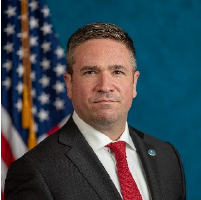
Series: Leadership
Remarks from the FBI Leadership
Andrew Bailey, Deputy Director, FBI
Brought to you with support of the FBI
The FBI Leadership will take this opportunity to update attendees on critical issues facing law enforcement, as well as focus on key Bureau programs supporting agencies throughout the country.
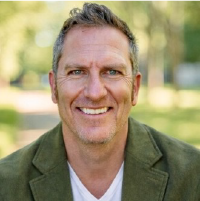
Series: Leadership
Unleashing Your Inner Strength
Jon Macaskill, U.S. Navy SEAL Commander (Ret)
In high-pressure environments, technical skill isn’t enough. The leaders and teams who thrive are the ones who can regulate themselves, think clearly under stress, and act with both grit and compassion. In this powerful and practical session, retired Navy SEAL Commander Jon Macaskill shares the mindset and tools behind true inner strength. Drawing from elite military leadership, neuroscience, and mindfulness science, Jon teaches how preparedness builds confidence, how resilience is trained—not born—and how grit without compassion eventually breaks people and cultures. Attendees will walk away with simple, actionable strategies to improve focus, emotional regulation, decision-making, and performance… especially when it matters most.
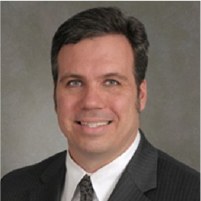

Series: Officer Safety, Wellness and Resilience
Aligning Evidence-Based Medicine with Police Operations to Saves Lives in a High Threat Environment
Dr. James Vosswinkel, Chief, Trauma, Emergency Surgery and Surgical Critical Care; Medical Director, Surgical Intensive Care Unit; Renaissance School of Medicine, Stony Brook University (NY)
Dr. Dominique Wong, Emergency Physician, Cabell Huntington Hospital, Marshall Health Network
This keynote session explores police medicine through an evidence-driven and operationally grounded lens. Dr. Vosswinkel and Dr. Wong will review current data on law enforcement leading causes of death and injuries focusing on police operations in the high-threat environment and propose recommendations aligning life-saving medicine with operational realities. They will explain why TECC is the foundation of police first aid and how “TECC Plus” adapts evidence to operational realities. They will further deliver actionable recommendations, including universal officer medical competencies, IFAK configuration, and active shooter medical response. The session will also outline a forward-looking strategy to strengthen police-medicine partnerships to improve police survivability today and in the future.
Series: Leadership
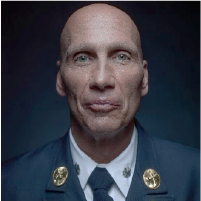
Tunnel to Towers: 25 Years of Memory, Service and Sacrifice
Jack Oehm, Battalion Commander (Ret), Fire Department of the City of New York (FDNY); Board Member, Tunnel to Towers Foundation
In this 25th year since September 11, 2001, the Tunnel to Towers Foundation is embarking on the most comprehensive commemoration in our history – one that honors the past, serves those in need today, and educates the generations of tomorrow.
As an ambassador for the Tunnel to Towers Foundation, Jack Oehm has traveled across the country representing the thousands of first responders nationwide in promoting the hard work and dedication they display for their communities. He will share his personal story of 911, the Foundation’s plans in 2026 to honor those who served and sacrificed, and the efforts to bridge generations and the spirit of service which inspires Americans today.
Series: Emerging Technologies
Commanding the Future: How Leaders Are Scaling DFR and Integrated Public Safety Technology
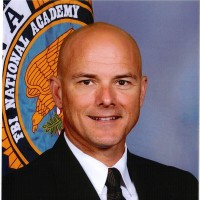
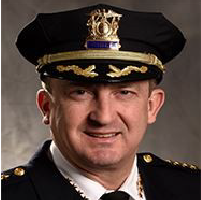
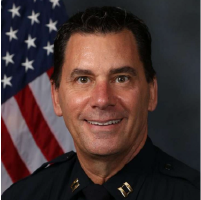
Chief Eric Clifford, Schenectady Police Department; NA Session 274
Marcus Claycomb, Commander (Ret), Melbourne Police Department; NA Session 273
Don Redmond, Captain (Ret), Chula Vista Police Department; NA Session 263
Drone as First Responder (DFR) has transformed from concept to core operational technology, fundamentally changing how law enforcement responds to calls, manages risk, and operates with fewer resources. Since the Chula Vista Police Department launched the nation’s first DFR program in 2018, supporting more than 20,000 calls for service, agencies across the country have proven that real-time aerial intelligence can arrive before officers, reshape decision-making, and improve safety for both responders and communities. This keynote presentation explores how DFR integrates with CAD, 911, RTCCs, and patrol operations to create faster, smarter, and more coordinated responses. The expert panel will share hard-earned lessons, implementation insights, and a forward-looking view of how DFR and emerging integrations are defining the next era of public safety operations.
Breakout Sessions
Saturday, June 27
12:30 pm – 1:30 pm
Series: Emerging Technologies
Optimizing Real-Time Crime Centers: Enhancing 911 Collaboration
Michael Ricupero, Strategic Engagement Director, RapidSOS
Karin Marquez, Chief Public Safety Brand Officer, RapidSOS
As Real-Time Crime Centers (RTCCs) expand nationwide, their success depends on seamless collaboration with 911 centers. This session explores how integrating IoT, NG911, and CAD data enhances situational awareness, speeds decision-making, and strengthens field response. Panelists will share real-world examples where RTCCs leveraged RapidSOS’s trusted platform to close information gaps, apply AI responsibly, and improve outcomes during critical incidents. Attendees will also gain insights into the role of broadband, secure infrastructure, and data-sharing standards in supporting mission-critical communications.
Learning Objectives
- Objective 1 – Understand how RTCCs and 911 agencies define roles to ensure efficient communication and response coordination.
- Objective 2 – Learn how AI, broadband, and secure infrastructure support real-time threat detection and emergency response.
- Objective 3 – Hear real-world case studies where RTCC-911 collaboration directly improved response outcomes and community safety.
Series: Law and Legal
Force Investigations in the 21st Century: Uniting Legal Standards, Human Performance, and Video Technology Methodologies
Lieutenant Matthew Botterbusch, New Castle County Division of Police, First State Force Review LLC
Sergeant Sean Ryan, New Castle County Division of Police, First State Force Review LLC
This presentation outlines a modern blueprint to develop a legally sound investigative process that meets 21st-century expectations of accountability and performance. Drawing from thousands of real-world reviews and peer-reviewed research, it integrates human performance science, digital video literacy, and proven investigative methodology to enhance officer decision-making, training outcomes, and review quality. Attendees will examine how perceptual, cognitive, and physiological factors shape behavior and memory during high-stress encounters, and learn strategies to account for these limitations in investigative findings. The course also addresses the power and pitfalls of digital video, providing technical knowledge to interpret evidence accurately. Grounded in lessons from our own unit’s development, this roadmap equips agencies to overcome organizational hazards and establish legally-sound, proactive, and evidence-based review systems that drive meaningful, data-informed change.
Learning Objectives
- Objective 1 – Learn a roadmap to build legally sound, evidence-based review systems that enhance investigative completeness and accountability.
- Objective 2 – Understand how human performance factors affect officer behavior and memory in high-stress encounters.
- Objective 3 – Recognize the strengths and pitfalls of digital video in force investigations.
Series: Life After Law Enforcement®
Law Enforcement Transitions: Rank, Retirement, Relationships, the Psychology, Physiology, and Constancy of Change
Randall Richert, Colonel (Ret), US Air Force; NA Session 186
Kate Tumelty-Felice, Coordinator of Education Programs, Rowan College of South Jersey
The only constant is change – Heraclitus. Building upon their well-received presentation “LE Retirement 101” at the Baltimore FBINA conference, the presenters will explore the psychology, physiology, and consequences of change; and how the constancy upon which many officers thrive can exacerbate stress when compounded, even if eagerly anticipated. Transitions such as a change in rank, promotion, a new leadership role, or retirement can take a toll on the nervous system; especially as these often coincide with life changes such as marital status, health issues, financial shifts, kids and family adjustments. This session will consider the role of law enforcement and the constancy of change, and offer strategies to mitigate adversity, as well as highlight and build upon inherent skills. Participants will walk away with an understanding of the stress, eustress, and challenges of constant change, as well as a toolkit of existing skills to balance the consequences of change.
Learning Objectives
- Objective 1 – Participants will be able to identify the physiological and neurobiological impact of change and transition.
- Objective 2 – Discuss and reflect upon the intersectionality and constancy of change, and how these uniquely impact the nervous system of a LEO.
- Objective 3 – Develop skills to mitigate the negative impact of the stress of transition, as well as identify and build upon existing strengths inherent in the temperament and career which provide a foundation for navigating change upon reflection, awareness, and intentionality.
Series: Officer Safety and Wellness and Resilience
Sleep Like Your Badge Depends On It: The Hidden Power of Rest in Law Enforcement
Dr. Leah Kaylor, Licensed Clinical and Prescribing Psychologist, Dr. Leah Kaylor PLLC
Sleep deprivation is one of the most overlooked threats to officer safety, judgment, and mental health. In this engaging session, Dr. Leah Kaylor, FBI Sleep Expert and author of the bestselling book If Sleep Were a Drug, breaks down the neuroscience of sleep and its critical impact on performance, decision-making, emotional regulation, and resilience. Participants will learn how chronic fatigue mirrors intoxication, why shift work erodes tactical readiness, and how small, evidence-based adjustments can dramatically improve reaction time, stress tolerance, and long-term health. This presentation translates cutting-edge sleep science into practical, field-tested strategies tailored to the realities of policing—so you can protect and perform at your best, both on and off duty.
Learning Objectives
- Objective 1 – Identify how sleep deprivation impacts cognitive performance, emotional regulation, and decision-making under stress within law enforcement contexts.
- Objective 2 – Explain the physiological effects of shift work, circadian disruption, and cumulative fatigue on officer safety, health, and tactical readiness.
- Objective 3 – Apply evidence-based behavioral and environmental strategies to improve sleep quality, resilience, and recovery among law enforcement professionals.
2:00 pm – 3:00 pm
Series: Emerging Technologies
All About Drones
Anthony Bandiero, President, Attorney & Senior Legal Instructor, Blue to Gold Law Enforcement Training
As drone technology becomes increasingly accessible to law enforcement, so does the responsibility to use it within constitutional boundaries. All About Drones is an essential course that explores the intersection of the Fourth Amendment and aerial surveillance. Officers and command staff will gain a clear understanding of when drone use becomes a “search” under constitutional law, and what legal thresholds must be met before deployment. The course covers key topics such as the use of drones to observe private backyards, the implications of aerial surveillance over curtilage, and the evolving legal standards governing emerging technologies. With real-world examples and practical guidance, this course ensures agencies stay ahead of legal challenges while leveraging drone capabilities effectively and lawfully.
Learning Objectives
- Objective 1 – Attendees will be able to identify when law enforcement drone use constitutes a Fourth Amendment “search” and understand the legal factors that trigger constitutional protections.
- Objective 2 – Attendees will understand the limitations of aerial surveillance, particularly over private property and curtilage, and how courts analyze privacy expectations in drone-related cases.
- Objective 3 – Attendees will develop strategies to deploy drones lawfully and defensibly, ensuring compliance with constitutional standards while maximizing investigative effectiveness.
Series: Ethical Consideration for Intervention
Ethical Considerations for Active Bystandership in Sheriff’s Offices
Greg Guiton, Captain (Ret), ABLE and Heroes Active Bystandership Training; NA Session 215
Gregory Hanna, Jr., Captain (Ret), ABLE & Heroes; NA Session 261
Sheriff’s Offices operate at the intersection of patrol, courts, and jails, where sworn deputies, correctional officers, and civilian staff all share responsibility for public safety. Yet policies that mandate intervention fall short without equipping the entire workforce—across every role—with the skills, confidence, and ethical grounding to act. In July 2025, Colorado launched the nation’s first statewide Active Bystandership pilot, uniting ABLE (Active Bystandership for Law Enforcement) and Heroes (Active Bystandership for Corrections) into a cross-training model designed specifically for Sheriff’s Offices. This initiative is unique in its reach: it empowers staff across patrol, jail, and civilian functions, while supporting leadership at every level, including rural and resource-constrained communities. By fostering a culture of care and accountability statewide, Colorado is setting the standard for ethical intervention, organizational resilience, and community trust.
Learning Objectives
- Objective 1 – Examine the ethical foundations of Active Bystandership and how cross-training across patrol, jail, sworn, and civilian roles strengthens duty-to-intervene policies.
- Objective 2 – Identify strategies for implementing a statewide model that supports both large and rural Sheriff’s Offices, ensuring equitable access to intervention skills and resources.
- Objective 3 – Evaluate leadership’s role in embedding Active Bystandership as a culture change strategy that enhances accountability, safety, and workforce wellness across the justice system.
Series: Leadership - Motivation
Changing the Culture of Risk: Leadership Strategies to Save Lives
Dale Stockton, Captain (Ret), Carlsbad Police Department; NA Session 201
Rob Beidler, Undersheriff (Ret), Snohomish County Sheriff's Office
Leadership sets the tone for officer safety. This workshop challenges agency leaders to examine how organizational culture, priorities, and accountability directly impact preventable line-of-duty deaths and injuries. The discussion centers on the moral and professional obligation leaders carry for the safety of those they lead. The presenters—both nationally recognized law enforcement leaders with extensive experience driving cultural change—will share proven strategies that have delivered measurable results. They will provide actionable information and highlight two no-cost national programs: Below 100, which uses a common-sense approach that targets areas under an officer’s control, and the National Law Enforcement Roadway Safety initiative (NLERS), which applies field-tested roadway safety principles to reduce vehicle-related incidents. The session will underscore the critical role of positional authority—and how, without it, culture inevitably overrides mission, policy, and values.
Learning Objectives
- Objective 1 – Apply positional authority to drive measurable improvements in policy, supervision, and daily officer behavior.
- Objective 2 – Understand and utilize proven programs, Below 100 and NLERS, to build a culture where officer safety is a core organizational value.
- Objective 3 – Embed officer safety into policy, performance, and promotional systems as a strategic priority, emphasizing prevention over punishment.
Series: Officer Safety and Wellness and Resilience
Innovative Trauma Therapy Techniques: EMDR and Brainspotting for Deep Healing and Resilience in Public Safety
Dr. Leah Kaylor, Licensed Clinical and Prescribing Psychologist, Dr. Leah Kaylor PLLC
This session explores two powerful trauma-focused therapeutic modalities: Eye Movement Desensitization and Reprocessing (EMDR) and Brainspotting. Attendees will learn how these techniques were discovered, how they work in the brain, and how they can be used to process high-impact stress, critical incidents, and trauma commonly seen in public safety roles. This session will address frequently asked questions and include demonstrations to show how these approaches promote emotional regulation, psychological recovery, and long-term resilience.
Learning Objectives
- Objective 1 – Describe the neurobiological foundations of Eye Movement Desensitization and Reprocessing (EMDR) and Brainspotting, including how each modality targets and reprocesses traumatic memory networks in the brain.
- Objective 2 – Differentiate between EMDR and Brainspotting in terms of mechanisms of action, clinical application, and relevance to high-impact stress and critical incidents in public safety professionals.
- Objective 3 – Demonstrate understanding of how trauma-focused interventions such as EMDR and Brainspotting promote emotional regulation, psychological recovery, and long-term resilience in first responders and law enforcement personnel.
Sunday, June 28
2:00 pm – 3:00 pm
Series: Case Study - Post-Event Lessons
Lessons from Survivors of a Serial Rapist
Matt Irvine, Lieutenant of Inspectors (Ret), San Francisco District Attorney, Bureau of Investigations
This presentation uses the cold case investigation of a serial rapist to explore why cases go cold, how we can revive them, and what detectives, supervisors and police leaders can do to keep cases from going cold in the first place. Foremost are lessons from survivors about how law enforcement can honor and protect the vulnerable victims who are serial offenders’ favorite prey. In pre-recorded interviews, we will hear from one woman who was homeless and addicted at the time of her assault. We will see and hear from another whose assault as a child led her to a life on the margins, and whose courageous participation in the re-investigation and prosecution of her case helped her take her life back from her rapist. We will learn about their cases through their eyes, why they disconnected from the initial investigations, and what it took to gain their trust and finally hold their attacker accountable years later.
Learning Objectives
- Objective 1 – Learn to identify the biases and misunderstandings that harm victims and protect offenders.
- Objective 2 – Learn to apply the lessons from this case to other investigations and prosecutions of serial predators.
- Objective 3 – Learn how police leaders can support investigations that protect our most vulnerable community members and hold our worst offenders accountable.
Series: Officer Safety and Wellness and Resilience
What You Should've Done Before a Line of Duty Death: Resilience in Navigating the Ultimate Sacrifice
Chris Cowan, Chief of Police (Ret); Executive Director, Jospeh F. Rice School of Law, Excellence in Policing and Public Safety Program; NA Session 235
There were 147 line of duty deaths that occurred in the United States in 2024. It is not if but when it will happen; so, what is your strategic readiness? A professional development session that will take you out of your comfort zone and challenge your thinking. Presentation includes an interactive power point and session, digital and/or hard copy to a template line of duty death packet and a digital and/or hard copy template line of duty policy playbook. The presentation is based on experiences of the instructor; having been in command during several LODD.
Learning Objectives
- Objective 1 – Learn how to plan for the inevitable and build your resilience.
- Objective 2 – Understand the land mines that exist during a LODD.
- Objective 3 – Learn how to create a playbook and prepare your department for tragedy.
Series: Leadership
Leading When It Matters Most: Lessons From Policing, Paramedicine and the C-Suite
Lawrence Zacarese, Vice President and Chief Security Officer, Stony Brook University; NA Session 246
Leadership in high-pressure environments demands clarity, composure, and trust. Drawing on unique experiences as a police officer, paramedic, attorney, and executive, this session explores how to lead effectively when the stakes are highest. Attendees will gain insights into decision-making under pressure, strategies for fostering resilience and accountability, and techniques for adapting communication across diverse teams. Whether you’re navigating organizational change, managing crises, or building credibility with stakeholders, you’ll walk away with proven tools to strengthen your leadership impact when it matters most.
Learning Objectives
- Objective 1 – Evaluate decision-making strategies used in high-stakes environments to apply them to complex organizational challenges.
- Objective 2 – Implement leadership techniques that foster trust, resilience, and accountability during times of uncertainty.
- Objective 3 – Discover ways to embed resilience and accountability into teams during organizational change or crisis.
Series: Officer Safety and Wellness and Resilience
Stronger Hearts, Stronger Leaders: Tackling Heart Disease - the #1 Killer Among Law-Enforcement
Dr. Benjamin Stone, Benjamin Stone Speaks
Published data shows that, between the ages of 55 and 60, the chance of a civilian dying from a heart attack is 1.6%. However, within populations of police officers and fire fighters, it is 56%. In
this presentation, listeners will explore the scope of heart disease within public safety occupations and will discuss why it appears to be so prevalent. The presentation will involve a complete dissection of cardiac disease by focusing on 1) why it is prevalent in law-enforcement and other occupations in public safety, 2) why it is commonly seen in 25- to 40-year-old first responders, and 3) why it is routinely misdiagnosed when using traditional cardiac risk modeling specific to data derived from civilian populations.
Learning Objectives
- Attendees will be able to identify the GIVE Initiative’s four core pillars and understand the holistic approach required to develop a violence reduction strategic plan
- Attendees will gain insight into identifying the right stakeholders for violence reduction efforts and recognize the roles of crime analysis, research partnerships, and an internal iterative review in strategic planning
- Attendees will be equipped with a framework for selecting appropriate evidence-based strategies and leveraging data-driven, harm-centered, and implementation science-informed approaches to support violent crime reduction
Monday, June 29
2:30 pm – 3:30 pm
Series: Case Study - Post-Event Lessons
Under Attack: Assaults on Our Nation's Law Enforcement Officers
Kevin Harris, Law Enforcement Operations Specialist, FBI CJIS Division
Violence against law enforcement is at epidemic levels. The FBI estimates that more than 108,000 police officers were assaulted in 2023. Since 2021, nearly 300 police officers have been feloniously killed in the line of duty. Since the early 1990s, the Officer Safety Awareness Training (OSAT) Program has been conducting research into these assaults and killings, aimed at prevention through understanding why these incidents are taking place. This session will give attendees a behind the scenes look at our process, as well as a look at some of the insights the program has gained through our research.
Learning Objectives
- Objective 1 – Identify the research method used in the OSAT studies.
- Objective 2 – Recognize the role that perception plays in violent encounters.
- Objective 3 – Identify ways to mitigate becoming the victim of an assault
Series: Emerging Technologies
Modernizing Investigations: Growth and Breakthroughs in the ViCAP Program
Amanda Corrigan, Crime Analyst, Federal Bureau Of Investigation
The Violent Criminal Apprehension Program (ViCAP) continues to evolve as a cornerstone of violent crime investigation and information sharing tools. This session explores how modernization efforts—including enhanced data analytics, digital integration, and mandatory case entry—have fueled exponential program growth and strengthened investigative outcomes nationwide. Attendees will gain insight into ViCAP’s capabilities and how recent innovations have streamlined the identification and linkage of violent crimes across jurisdictions. Through compelling case studies, the presentation will highlight how modernization has directly contributed to solving complex cases, improving investigative efficiency, and enhancing public safety. The session will also discuss best practices, lessons learned, and future directions as ViCAP continues to adapt to the changing landscape of violent crime.
Learning Objectives
- Objective 1 – Understand how modernization efforts – to include technological upgrades, enhanced data integration, and interagency collaboration – have expanded ViCAP’s capabilities and reach.
- Objective 2 – Analyze recent case studies that demonstrate ViCAP’s role in successfully linking violent crimes, supporting investigations, and assisting in offender apprehension across jurisdictions.
- Objective 3 – Identify best practices and strategic approaches for leveraging ViCAP tools and resources to improve investigative efficiency and strengthen violent crime prevention initiatives.
Series: Leadership
Better Together: Forging Regional Leadership and Culture in Policing
Major Ryan Miller, Overland Park Police Department; NA Session 280
Captain Zachary Stephens, Overland Park Police Department
Police agencies routinely train regionally for SWAT, Negotiations, Motorcycle, and other high-risk specialties, but leadership and organizational culture often remain siloed. Leadership Forge was created to change that within one police agency, combining intentional mentorship, structured onboarding, and transformational leadership to build a leadership culture from the ground up. After publishing the model in Police1 and the discussions that followed, the next evolution is clear: regional collaboration. This session will share how Leadership Forge began, the measurable cultural impact it’s had, and how those lessons are being leveraged to build the regional Strengths, Training, Ethics, Excellence, and Leadership (STEEL) leadership program, partnering with outside industries to inject fresh ideas into law enforcement leadership. Attendees will gain a blueprint for scaling leadership development beyond agency walls because the future of policing leadership is forged together, not apart.
Learning Objectives
- Objective 1 – Learn how to adapt the proven Leadership Forge framework to build or strengthen leadership culture in any agency, regardless of size or structure.
- Objective 2 – Learn why regional leadership development produces deeper cultural alignment and operational cohesion across agencies.
- Objective 3 – Learn practical strategies for launching regional leadership initiatives that integrate cross-agency collaboration and private-sector innovation.
Series: Officer Safety and Wellness and Resilience
Organizational Trauma Can Be Just as Devastating as Operational Trauma
Chris Lewis, Commissioner (Ret), Ontario Provincial Police; NA Session 197
Police agencies routinely train regionally for SWAT, Negotiations, Motorcycle, and other high-risk specialties, but leadership and organizational culture often remain siloed. Leadership Forge was created to change that within one police agency, combining intentional mentorship, structured onboarding, and transformational leadership to build a leadership culture from the ground up. After publishing the model in Police1 and the discussions that followed, the next evolution is clear: regional collaboration. This session will share how Leadership Forge began, the measurable cultural impact it’s had, and how those lessons are being leveraged to build the regional Strengths, Training, Ethics, Excellence, and Leadership (STEEL) leadership program, partnering with outside industries to inject fresh ideas into law enforcement leadership. Attendees will gain a blueprint for scaling leadership development beyond agency walls because the future of policing leadership is forged together, not apart.
Learning Objectives
- Objective 1 – Learn the definition of Operational Trauma.
- Objective 2 – Learn the definition of Organizational Trauma.
- Objective 3 – Learn three (3) strategies of effective leaders in preventing/mitigating Organizational Trauma.
Tuesday, June 30
10:30 am – 11:30 am
Series: Emerging Technologies
From Procurement to Prosecution: The Practical Impacts of AI on Public Safety
Assistant Police Commissioner Elizabeth Daitz, Suffolk County Police Department
Today’s chiefs face high-stakes decisions about the procurement, use, and disclosure of AI-enabled platforms and products that affect investigations, prosecutions, public safety, and public trust. Not all law enforcement agencies are fully aware of the risks, consequences, and opportunities that GenAI presents across the criminal justice system. This keynote traces a realistic scenario from acquisition to courtroom, showing how leadership choices—not technical expertise—drive legal and operational outcomes. It also addresses a growing gap: officers and analysts informally using GenAI without policy or oversight, creating discoverability and civil liberties risks. Aimed at law enforcement leaders, the session offers practical frameworks to gain efficiencies and foster intellectually curious workforces without expecting chiefs and commissioners to be both technologists and lawyers. Learn how to embrace GenAI while protecting civil liberties and preserving the humanity of policing.
Learning Objectives
- Objective 1 – Learn how executive decisions about AI tools influence case outcomes and community trust.
- Objective 2 – Learn to spot legal and operational risks from unregulated GenAI use within agencies.
- Objective 3 – Learn practical ways to adopt GenAI that support innovation while safeguarding rights and human judgment.
Series: Leadership
History of Policing: From the Beginning to Now and Beyond
William Bratton, Commissioner (Ret), Executive Chairman, Teneo Risk
Commissioner Bill Bratton will present a 60 minute seminar on the history of policing from the first police organizations founded in the country throughout the decades to modern day and provide critical information on lessons learned and how police organizations can become more efficient and better managed by knowing the history of where policing began to modern day theories that will help police leadership excel in their agencies and in turn lead those agencies into excellence. Commissioner Bratton teaches this in a manner to educate the audience on becoming better leaders by knowing the history of where policing came from up to and ending with modern trends in law enforcement and leadership to increase the knowledge of all in the audience.
Learning Objectives
- Objective 1 – Understand where we are in policing.
- Objective 2 – Focus on where we have been in policing.
-
Objective 3 – Discuss what is to come in policing.
Series: Life After Law Enforcement®
From Enforcement to Influence: Translating Duty into Business Impact
John Day, California Department of Correction and Rehabilitation (Ret); Corporate Global Security Leader; NA Session 245
Drawing on over three decades in law enforcement and a decade in corporate security, John R. Day shares practical insights and lessons learned from his own journey transitioning from public service to the private sector. Participants will gain actionable strategies to 1) translate law enforcement experience into measurable corporate value, 2) avoid common pitfalls during the transition process, and 3) build confidence, balance, and purpose in a new professional chapter. Through real-world examples and proven techniques, John helps professionals leverage their leadership, discipline, and problem-solving skills to thrive in corporate environments and expand their influence beyond enforcement.
Learning Objectives
- Objective 1 – Translate transferable skills and identify how core competencies from law enforcement leadership, decision-making under pressure, and risk management apply directly to corporate roles.
- Objective 2 – Navigate cultural and organizational differences and learn how to adapt effectively to corporate environments, understanding differences in communication, accountability, and performance expectations.
- Objective 3 – Develop a personal transition plan and create actionable steps for a successful and fulfilling career transition, including networking, leveraging partner resources, and maintaining personal balance during change.
Series: Officer Safety and Wellness and Resilience
Building the Resilient Agency
Michael Whittington, Ph.D, Supervising Criminal Investigator, Santa Clara County District Attorney's Office; NA Session 285
Building the Resilient Agency (BTRA) is a leadership program designed for mid-to-upper-level police managers to design and launch effective wellness (stress relief) systems backed by decades of research. Instead of vague wellness buzzwords, BTRA shows “how” to reduce stigma, identify stress-invention moments, and construct wellness support throughout an officer’s career.
Based on over fifty years of police stress and stress relief studies, BTRA turns this research into clear, actionable steps police leaders can implement immediately. BTRA blends the top-down mandate with the bottom-up (grassroots) collaboration, creating wellness programs police officers will actually use and trust.
Already offered at multiple FBI National Academy Sessions, BTRA motivates police leaders to strengthen mental health services, foster a culture of resilience, and reduce the stigma associated with stress relief.
Learning Objectives
- Objective 1 – Learn to design wellness programs based on police stress and resiliency research.
- Objective 2 – Understand stigma while addressing stigma at different levels in a police career.
- Objective 3 – Learn the process for creating a wellness program from both top-down and bottom-up.
2:00 pm – 3:00 pm
Series: Community Trends
21st Century Considerations in Public Order Policing
Jose Vega, Sergeant Special Assignment (Ret), New York City Police Department; NA Session 253
Anthony Raganella, Deputy Inspector (Ret), New York City Police Department; NA Session 223
In this current climate of political and media polarization, major protests, public order, civil disturbances and civil unrest are at the forefront of concerns for U.S. law enforcement. Agencies charged with ensuring public order and a citizen’s constitutional rights must appropriately balance these concerns where split second operational decisions can mean the difference between a lawful assembly and a riot. These presentations and training courses will offer the audience a myriad of considerations and best practices that go into keeping such events peaceful. Agencies must reimagine how they can build and maintain trust, confidence, and satisfaction, within the communities they service, while examining their policies on mass demonstrations which should minimize the use of provocative tactics and equipment. These policies should account for procedures that implement a layered response to protests which prioritize de-escalation, and a guardian mindset.
Learning Objectives
- Objective 1 – Attendees will be able to explain how to prepare for a public order event.
- Objective 2 – Attendees will describe how to work in conjunction with a community to plan a public order event.
- Objective 3 – Attendees will explain how to communicate with stakeholders regarding their role in a public order event.
Series: Emerging Technologies
Tech-Ready Policing: Policy Essentials for Emerging Technology Tools
Joseph Race, Attorney, Daigle Law Group; NA Session 270
This presentation provides law enforcement professionals with a comprehensive framework for integrating emerging technologies into policing practices. The training emphasizes the necessity of establishing clear policies and conducting thorough training before deploying new tools. It explores legal and constitutional considerations, including the First and Fourth Amendments, privacy rights, and relevant case law. The course also addresses the implications of artificial intelligence, particularly in report writing, and the risks associated with improper use. Participants learn how to assess technology needs, develop implementation plans, and ensure compliance with legal standards and ethical expectations. The presentation underscores the importance of transparency, oversight, and accountability in tech adoption.
Learning Objectives
- Objective 1 – Develop and implement legally sound policies for emerging technologies in law enforcement. Participants will learn how to create comprehensive policies that address legal, ethical, and operational considerations, including First and Fourth Amendment protections, data privacy, and authorized use.
- Objective 2 – Evaluate and prepare for the deployment of new technologies through structured planning and training. Attendees will understand the importance of assessing current technology, identifying training needs, and establishing protocols before introducing new tools into field operations.
- Objective 3 – Analyze the legal implications of digital tools and artificial intelligence in policing. Learners will explore case law, constitutional standards, and the risks associated with AI-generated reports, surveillance technologies, and digital data collection, ensuring informed decision-making and accountability.
Series: Officer Safety and Wellness and Resilience
Innovative Strategies to Improve Employee Health and Wellbeing
Chief Robert Bage, Fort Walton Beach Police Department; NA Session 248
Chief Daniel Thompson, Waukesha Police Department
Jeff Spivey, Chief of Police (Ret), Irving Police Department; NA Session 252
Police departments are discovering innovative ways to leverage AI beyond traditional crime-fighting and community policing. One promising application helps officers take better care of themselves while serving their communities. By combining data from officers’ wearable devices, dispatch systems, work schedules, community feedback, and employee surveys, departments are giving their teams powerful tools to monitor their health and boost their performance. Officers can track stress levels, identify burnout risks, and make informed decisions about their wellbeing before small issues become major problems. Chiefs from two municipal agencies will discuss their experiences in using technology to improve overall health, wellbeing, and performance. This panel discussion will explain how these departments empowered their officers to take control of their wellness through AI-driven insights and support.
Learning Objectives
- Objective 1 – Learn the benefits of Artificial Intelligence in managing health and wellbeing.
- Objective 2 – Learn how agencies implemented Artificial Intelligence in their wellness programs.
- Objective 3 – Learn how improving health and wellbeing boost morale, increases retention, and improves recruitment.
Series: Officer Safety and Wellness and Resilience
The Loneliness of Law Enforcement Leadership: Illuminating the Path from Isolation to Restoration
Amy Carter, Officer Support Specialist; National Speaker on Suicide Prevention, Psychological Resilience and Police Executive Support
Loneliness in law enforcement leadership is as common as it is dangerous, and there can be a fine line between progressive isolation and suicidal ideation. This presentation delves into the evolution of the defense mechanisms commonly forged throughout a law enforcement career. It illuminates how the cognitive habits which help an officer withstand the compounding effects of the job are the very same elements which can erode their stability and diminish the skills they need to sustain a fulfilling life. But at the crossroads of awareness and understanding, exists the power to change. This session concludes with an effective and sustainable plan; actionable steps which have been scientifically proven to safeguard the connections which are the very foundation of a strong support system. Attendees will learn daily practices they can add to their lives immediately to evolve their self-awareness, hone their mind mastery skills, and become fierce guardians of their own peace and stability.
Learning Objectives
- Objective 1 – Gain insight into the unique psychological challenges inherent to law enforcement leadership, as well as how they contribute to progressive isolation.
- Objective 2 – Learn the automatic threat responses the brain is wired for and the consequences that commonly arise when defense mechanisms overstay their welcome.
- Objective 3 – Be equipped with daily practices which are effective for acute stress management while simultaneously forging the skills and resilience necessary for sustaining peace, health, and longevity.
Solutions Provider Sessions & Demonstrations
Sunday, June 28
10:15 – 10:45
Demonstration Theater
From the Sky to the Screen: How DFR is Powering the Modern RTCC
Don Redmond, VP Drone as First Responder
Presented by BRINC Drones
As technology becomes more central to policing, Real-Time Crime Centers (RTCCs) are playing a larger role in delivering timely intelligence to the field. This breakout session will focus on how live-streamed 911 calls and Drone as First Responder (DFR) programs are reshaping how RTCCs support officers on the ground. We will walk through how agencies are using live video and audio from drone deployments and caller feeds to boost situational awareness, improve coordination, and speed up response times. The session will include case studies from departments already using these tools, along with practical takeaways on implementation, staffing, and system integration. Whether you are running an established RTCC or planning to build one, this session will offer insights into how DFR and live streaming can elevate your center’s impact and help your agency make faster, safer, and more informed decisions.
11:15 – 12:00
Solutions Provider Session
The Blind Spot
Brian Manley, President, Off Duty Management
Presented by Off Duty Management
The rising demand for off-duty law enforcement jobs has led to an increase in off-duty incidents, which can significantly affect officers’ wellness. When an off-duty officer is involved in an altercation, facing potential injury or legal action, the repercussions can be severe. Often, these officers find themselves navigating financial and legal challenges alone, under the false impression that their agency will provide protection.
As agencies grapple with negative publicity related to issues like double-dipping and officer fatigue, they may overlook the mental health impacts on officers who feel unsupported in these high-stress situations. This presentation will address these “blind spots” and illustrate how agencies can implement better oversight and accountability measures, while also providing liability and workers’ compensation insurance –ultimately safeguarding not only the legal and financial well-being of officers but also their mental health.
Solutions Provider Session
Innovating Justice: Leveraging Technology and Science to Solve Crime
Captain Chad Guidry, Louisiana State Police
Presented by Thermo Fisher Scientific
In today’s increasingly complex law enforcement landscape, equipping officers with the essential tools to combat crime is paramount. Captain Guidry will share his vision for the use of advanced technology to combat growing criminal activity in Louisiana. From narcotics detection to rapid DNA processing instruments, agencies like the Louisiana State Police are empowered to act swiftly while ensuring safe outcomes. As criminal activities grow more sophisticated, adopting these innovative tools is vital to providing officers with the resources necessary to effectively protect and serve their communities.
Monday, June 29
10:15 – 10:45
Demonstration Theater
AI for Public Records Requests: Automate Redactions, Comply Faster
George Crew, Account Executive, CaseGuard
Presented by CaseGuard
Are you watching your team spend countless hours on manual redactions? Is your department pouring more resources than ever into staying compliant? Join CaseGuard for a 20-minute live demo and discover how your team can cut redaction time to just minutes. We will show you how to automate your bulk redactions on any number of video, audio, document or image files in our AI-driven, budget-friendly tool, designed to handle the complex needs of law enforcement agencies.
Demonstration Theater
Frontline Network: Now and Beyond
Azhar Khan, Associate Director, Verizon Frontline
Sam Kroack, Sr. Client Partner, Verizon Frontline
Presented by Verizon
During this session, the Verizon Frontline team will share an evolution of our Network capabilities from 4G to 5G to offering solutions like Verizon Frontline Network Slice, Satellite to Device and other capabilities.
11:15 – 12:00
Solutions Provider Session
Transforming OSINT: The Breakthrough of Automation and AI on Threat Detection
Evan Smith, Account Director, Fivecast
Presented by FiveCast
In this presentation, we explore the transformative impact of automation and artificial intelligence (AI) on Open Source Intelligence (OSINT) and threat detection. By leveraging advanced AI and machine learning techniques, we can significantly enhance the efficiency and accuracy of threat detection processes. We will dive into examples like the identification of ghost gun sellers on Telegram, where AI-driven analysis helped uncover critical information despite high operational security measures. AI has the potential to revolutionize how we approach complex security challenges and through this lens we will explore future directions for intelligence gathering, including narrative extraction and generative AI for summarizing complex data sets, ensuring comprehensive and auditable intelligence analysis.
Solutions Provider Session
The Invisible Shield: Hardening Patrol Vehicles for Today's Threats
David Russo, CEO, Dana Safety Supply
Presented by Dana Safety Supply
BallisTech® Vehicle Armoring Solutions by Dana Safety Supply delivers discreet, professionally integrated ballistic enhancements for law enforcement patrol vehicles. Designed to add a critical layer of protection without compromising visibility or functionality, BallisTech® combines U.S. made OptiShield® tactical transparent armor and advanced ballistic door panels to help protect officers from a wide range of threats encountered in the line of duty.
Dana Safety Supply offers full-service installation of every BallisTech® system through our nationwide network of factory-certified EVT technicians. With 46 upfitting locations and mobile capabilities, we ensure your department’s armor upgrades are installed efficiently, safely, and with minimal vehicle downtime.
More than just a product, BallisTech® is supported by Dana Safety Supply’s decades of experience and commitment to officer safety. Our expert teams work hand-in-hand with agencies to meet procurement requirements, streamline fleet integration, and support long-term maintenance and training needs.
BallisTech® armoring solutions are already making a real-world impact, credited with saving lives in the field. As the landscape of public safety evolves, Dana Safety Supply continues to deliver proven, professionally installed solutions that empower officers and protect those who serve—because preparation saves lives, and every patrol deserves the best defense available.